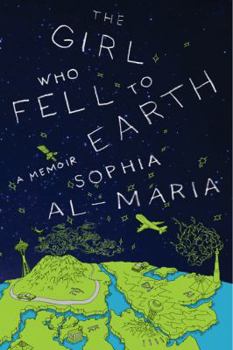
An eye-opening recollection of growing up Bedouin-American around the turn of the twenty-first century. Daughter of the tenuous union between a blue-collar American rebel and a job-seeking illegal immigrant nominally from Qatar – but more truly of the Al-Dafira tribe, a nomadic Bedouin people historically accustomed to roaming a desolate chunk of sandscape alternately claimed and reclaimed by the shifting borders of multiple kingdoms and nations – Sophia (to her mother’s world) or Safya (to her father’s) is whipsawn between cultures, generations and technologies as she shuttles between Puyallup, Washington and the perpetual construction site necessitated by an Emirate’s leap from the twelfth-century to the twenty-first in a single bound.
Where other essays on the Gulf nations tend to emphasize their wealthy leaders or their Ferrari-driving, Vuitton-clutching, nouveaux-riche spouses and offspring, this one focuses on the shadow populations who live off their government subsidies, house-keep their boudoirs, roughneck their earthworks and oil platforms, and line the fringes of their ever-expanding metropoles with camel-hair shelters and goat pens fabricated from desiccated shrubberies and the gleanings of garbage piles.
Al-Maria is charming and entertaining as we see her garden-variety teen angsts inflated to monumental proportions by the economic marginality of both her families, the uncertain legal status of stateless nomads (or half-nomads who’ve had their passports stolen) and the challenges of learning Arabic, Islam, Americanism and independence simultaneously and with vanishingly few competent examples of mature adulthood to emulate. That she succeeds in travelling back and forth several times and surviving assorted school systems to eventually enter the American University in Cairo and establish something of a career as writer and artist, is quite impressive. Most of all, though, her tale is a reminder that family – even a wildly extended, chaotic and perennially impoverished family with few (legal) breadwinners – can provide children a crucial sense of belonging and acceptance even as the elders’ insistence on traditions and restrictions are driving those same children away. The women, especially, of her Al-Dafira clan show resilience and flexibility in keeping their families and love alive and fed, despite what seem the best efforts of their men to destroy them.
Al-Maria’s Bedu relations, of course, represent only one of uncountably-many parallel worlds with whom we share our time and geography. By allowing a mile’s walk in their sandals, The Girl Who Fell to Earth makes a generous plea for understanding of all the cultures and peoples around the world who do not live, speak or behave as mainstream Amero-European media and opinion so blithely presume they should.
A worthy use of space on the bookshelf!
P.S. – to learn about another parallel world, read E Unum Pluribus, a new speculative fiction imagining the end of the USA, and what may fester in its place.
Packed with intrigue and fueled by politics, economics and murder (as well as gender, class, language and even the origins of faith), E Unum Pluribus examines how much we stand to lose if we allow our current culture wars to shatter this precious nation. This thrilling novel is currently available in six online installments, totally for free, simply by navigating to the home page of this website and selecting E Unum Pluribus from the top menu, or via this link: https://robinandrew.net/2026/01/01/e-unum-pluribus/

