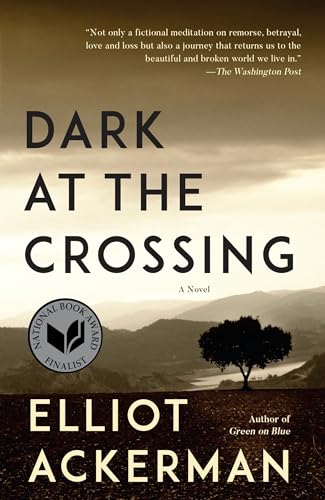
Ackerman, takes a risk here, venturing into the mind of an Iraqi-American attempting to join the Syrian resistance to Bashar Al Assad’s brutal regime. Published in 2017, this may have just predated the current literary judgement that any such attempt at empathetic fiction constitutes an unjustifiable act of appropriation. For this reader, the complexity he portrays in both the would-be fighter and the rest of his cast – all but one of whom are also of Middle Eastern nationalities and ethnicities – justifies the premise. No, this is not the novel a native Iraqi or Syrian might have written, but neither is it an opportunistic rip-off spawned in ignorance. Ackerman’s record as a journalist and as a Marine (decorated for actions during tours of duty in both Iraq and Afghanistan) gives him enough credibility, in my view. Besides, his writing of his book in no way prevents anyone of other background from crafting their own. (That he gets published and someone else might not is more properly a comment on the nature of the publishing industry/market than on the right of any author to spend their days following their own visions.)
Moving past all that, Dark at the Crossing presents a convincing and valuable portrait of the desperation endemic to a wartime refugee movement – boys living on handouts along the side of a highway, families hoping to subsist on what they can grow from a single envelope of seeds, a mother’s love warped beyond repair by the unmanageable violence of urban insurrection, lives casually dispatched by blasé warriors barely out of adolescence and under no close command.
More deeply, this dramatic and eventful story is concerned with the question of why men fight such wars. Yes, there are individuals or moments in which the desire to topple an illegitimate regime is clear and pure, but often the motives are more muddled. Revenge against previous cruelties and atrocities is a deep strain, the need to be active in one’s fate rather than a passive victim seems another. Also, and perhaps wrapping around all those, is the need to become part of something which feels simply too large to ignore: when your entire world is burning, is there not a moral obligation to pick up a bucket, no matter how small? Is that not actually an act of love – for those who might be saved today, tomorrow, next year or next decade?
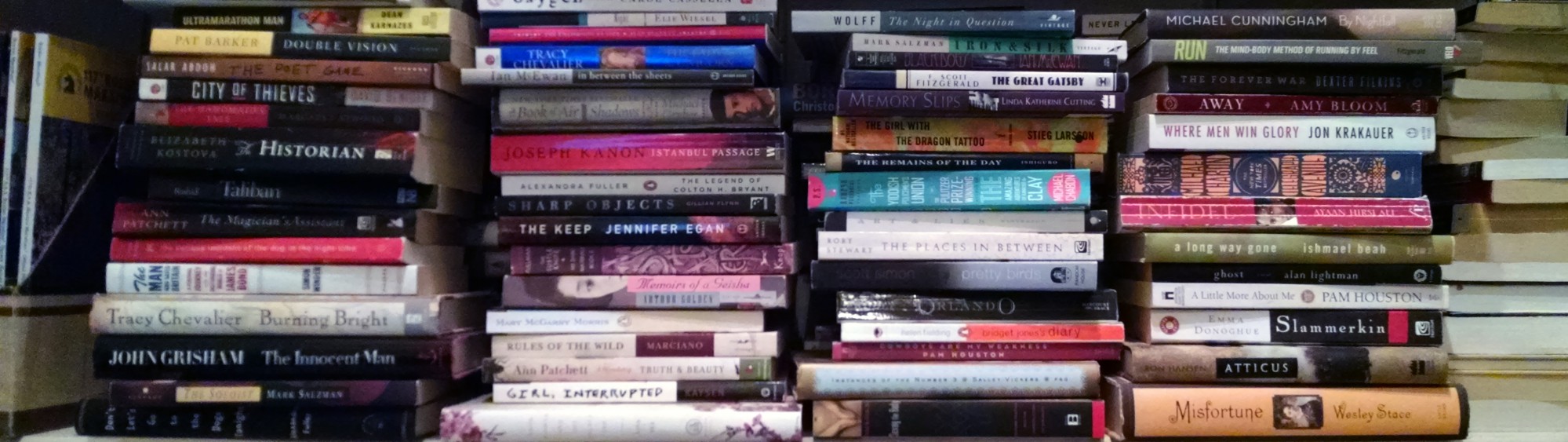
In that, the novel recalls Chris Hedges’ War is a Force That Gives Us Meaning (though Ackerman does not judge such a search for meaning nearly as harshly), and also John Krakauer’s Where Men Win Glory (despite a perspective which could hardly be more different, its depiction of the personal cost such impulses can exact raises similar issues).
For raising and considering such questions, Dark at the Crossing is more than worthy of the time it takes to read and the fraction of an inch it now occupies on my shelf.
 RobinAndrew