
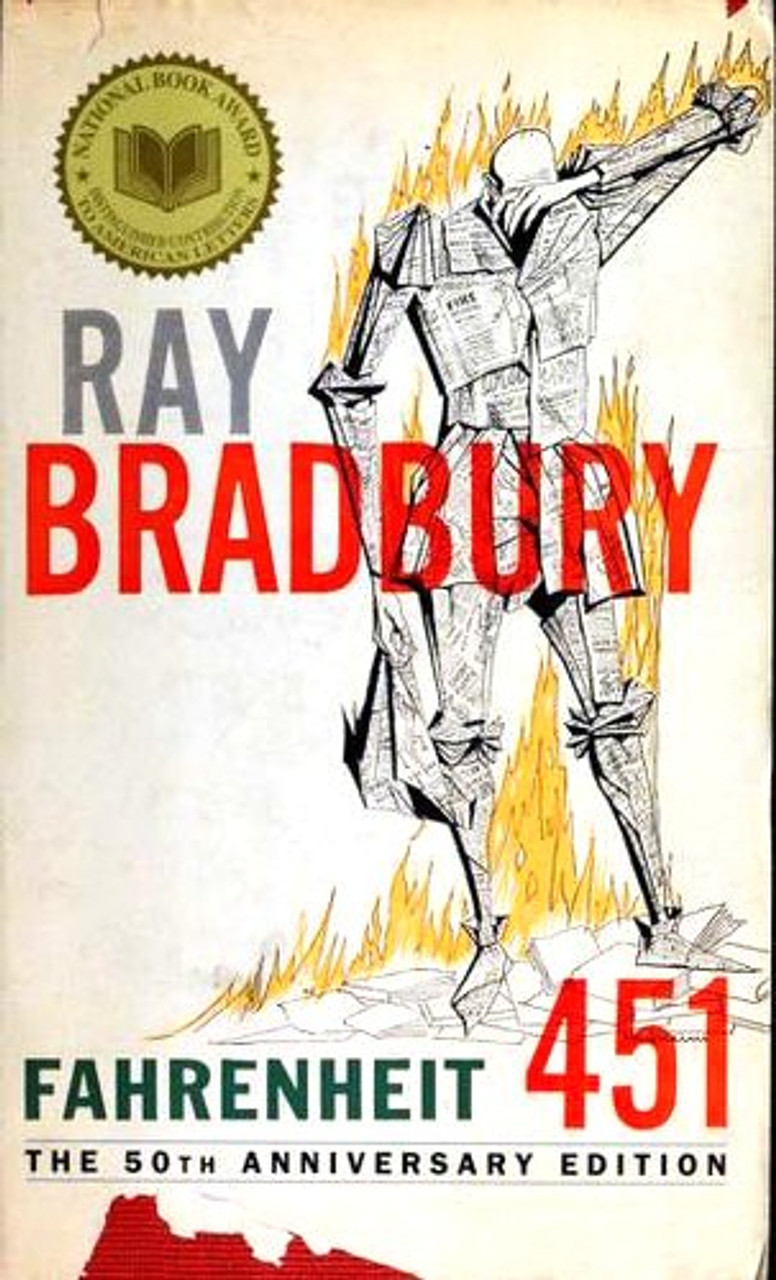
Following up recent rereading’s of Orwell’s 1984 and Bradbury’s Fahrenheit 451 I saw this speculative novel recommended for its prescience and found that characterization to be spot on. Writing back in 1993, Butler describes a Southern California that could believably result from just a few more years pursuit of our nation’s current course. Widespread poverty thanks to an politicians who own power over actual governance, violence and destruction by a populace fragmented and distrustful of one another, worldwide ecological disasters, misuse of new technology for profit and oppression, legal and police powers used not to protect the rights of all but to entrench the power of the few and, overlaying all that, a portion of the populace turning to reactionary religious movements in hope of refuge. A decidedly dystopian take on our situation, but very convincing and valuable as an eye-opener. That it is set in our exact time (July 2024 – October 2027) despite having been written over thirty years before is almost spooky to one first reading it today.
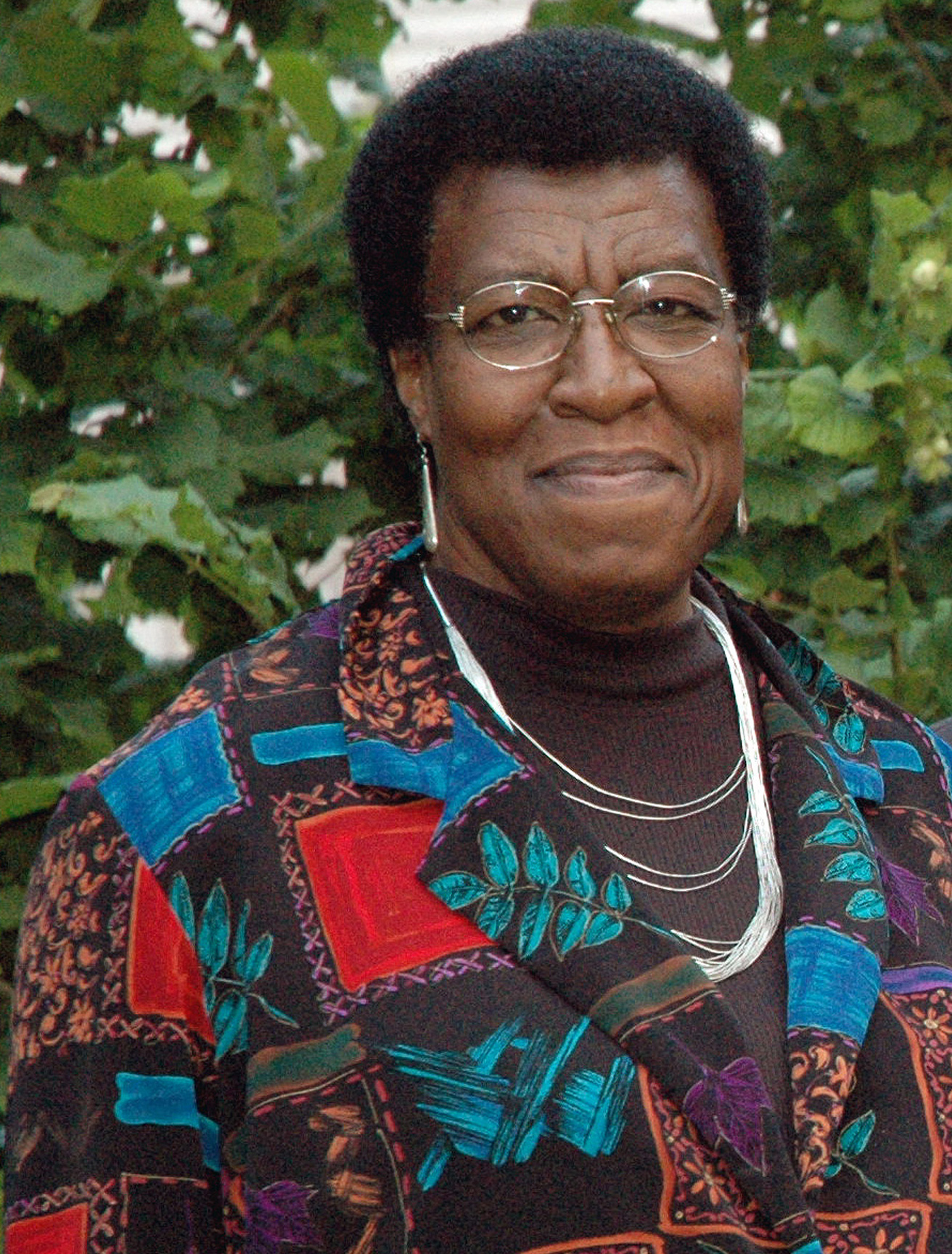
Butler (born 1947, died 2006) was a pioneer: at a time when it was striking to find either a Black person or a female making a name writing science fiction she was both, going on to win Hugo, Locus and Nebula awards as well as a MacArthur Fellowship grant. This first of her works that I have read (there will be more) is partly shaped by her ethnicity, featuring a mixed race band of refugees and touching repeatedly on how race has shaped them, has affected their fortunes and is still affecting them despite the near total collapse of nearly every other social structure.
Not content to cover that weighty ground, Butler also puts forth a religious theme, with protagonist Lauren Oya Olamina (which surname we learn is from the Yoruba region of Nigeria) the daughter of an Evangelical preacher. Lauren is in the process of devising a faith of her own, which she calls Earthseed in reflection of its vision of destiny – the expansion of Earth’s humanity to live among the stars and spread their ‘ seed’ throughout the universe. Lauren’s coming to grips with that calling and beginning the process of dissemination is the true theme of the novel, all the others serve to set the conditions and inform the necessity of her doing so.
Butler’s writing is immediate and colorful yet quick and concise, her plotting is complex without falling into the sort of techno traps that affect much Sci-fi. Resultingly, the Parable of the Sower is a work of literature which uses its genre as vehicle, not a commercial work safely exploiting a comfortable niche. A sequel, Parable of the Talents (1998) presents a further step in Laruen’s and Earthseed’s journey, culminating in departure of their first space craft on a colonizing mission. That having been Butler’s final published novel, it is sad to consider how she might have continued the tale, had she not struggled with depression and writer’s block before passing away in 2006, at the too-young age of 58.
Very glad to have encountered both book and author, and highly recommend them to any readers interested in where our politics are leading the USA, exploring the canon of science fiction, alternatives to mainstream religion or just curious about where human society may be headed – in both the near and the far terms.



 RobinAndrew