Category Archives: Uncategorized

The Feral Detective, Jonathan Lethem

 A contemporary noir, loosely-framed by the protagonist’s despair at the election of the ‘orange monster’ and the economic and cultural divides it reflects, but also deeply embedded in broader 21 st century dislocation and despair.

Intriguingly, Lethem tells the tale thru the voice of Phoebe Siegler, a refugee from the urban entertainment/media complex, rather than Charles Heist (what a surname choice that is!), his idiosyncratic detective. This allows for more thoughtfully-analytic observations by the character, and a more literate tone than would the latter. It also makes for some brave writing, as Lethem voices Phoebe’s sexual longings and encounters with Charles. One would love to know what female readers feel about his level of success, but to me it rang true, if perhaps a bit enhanced by what a man hopes a woman is seeing. Lethem also finds something new in the L A area by choosing for his locations the little-known towns of Upland and Clarement; the resort hermitage of Mt. Baldy (a personal touchstone, having driven, hiked and skied there) and the Mohave Desert just over the mountains from the big city. The tenuous economics of these locales, and the multitudinous opportunity for misfits to isolate themselves resemble the same raw ingredients which Southern writers have long mined from their home turf, but being still part of LA makes for a freshness and perhaps a more accessible connection to readers not of the sub-Mason Dixon world. Interesting and engaging, but I’m not hungry to read another installment, if indeed this is the start of a series (a possibility suggested by the ending, but inconsistent with Lethem’s intellectual adventurousness, nor his career path and to date).

The Canterbury Tales, Geoffrey Chaucer, A Retelling by Peter Ackroyd

A back-cover quite, credited to The Observer newspaper, notes that this “will surely become a vital crib for generations of students to come,” and this reader agrees entirely. Ackroyd’s lucid and fluid contemporary-language version is certainly the only way I would have gotten through this artifact; deciphering even just the chapter titles in the original Old-English is enough to tell me I’d never have made it.

As with many other ‘classics,’ one of the main values derived from reading Chaucer’s tales has been to glimpse inside the minds and thoughts of that earlier time.   What preoccupied the literate Londoner in the fourteenth century? Marriage, power, religion and the appetites for sex, food and drink, it seems, and in approximately that order.

Another obvious value of this volume is for its role in the early evolution of literature, acting as bridge between millennia of oral legends, folk tales, fables and religious parables, allegories and sermons and the later arrival of personal stories, those concerned with particular individuals who may be neither hero nor villain, maiden nor slut, but unique and messily-realistic combinations and contrasts of opposites. We see here a transitional stage between the archetypes within the tales (nearly every knight is appallingly-brave and virtuous, nearly every young woman is the most beautiful, chaste and compliant in her land) and the beginnings of dramatic characterization in the diverse and earthy travelers who tell them.

Even with Ackroyd as intermediary though, Chaucer is not an easy read. Many of the tales feel pointless, several redundant, and a couple seem to have been just cut off in mid-telling – leaving one to wonder whether some pages have been lost to history, or is that perhaps evidence of just how new and unself-conscious the infant art of fiction-writing was at the time (and prior to invention of that indispensable tool, the Editor). The religious paeans are also off-putting; tedious paragraphs and pages of dedication to the Holy Mother, or protestations of one’s faith, all the way down to Chaucer’s own ‘Retractions,’ which is not, as modern minds expect, a rescinding of what he has written earlier, but a ‘retraction’ in the sense of pulling away; taking his leave while beseeching the reader, ‘for the mercy of God, to pray for me…’ and so on. Pronouncing all that he has written, to be sinful and without merit, the author protests that despite having taken the pains to record and clearly enjoy these sinful tails, he is actually the most pious of men.

A remarkable piece of cultural history, presented in a generous and helpful manner by this modern retelling; truly the “crib” this reader need to ever become familiar with this oft-cited relic.

Post-Locomotion Libations, or Things That Work, of the Liquid Variety

Spring is notorious for variable weather, and as the weather changes, the choice of post-race hydration may need to do the same. FWIW, herewith are three faves:

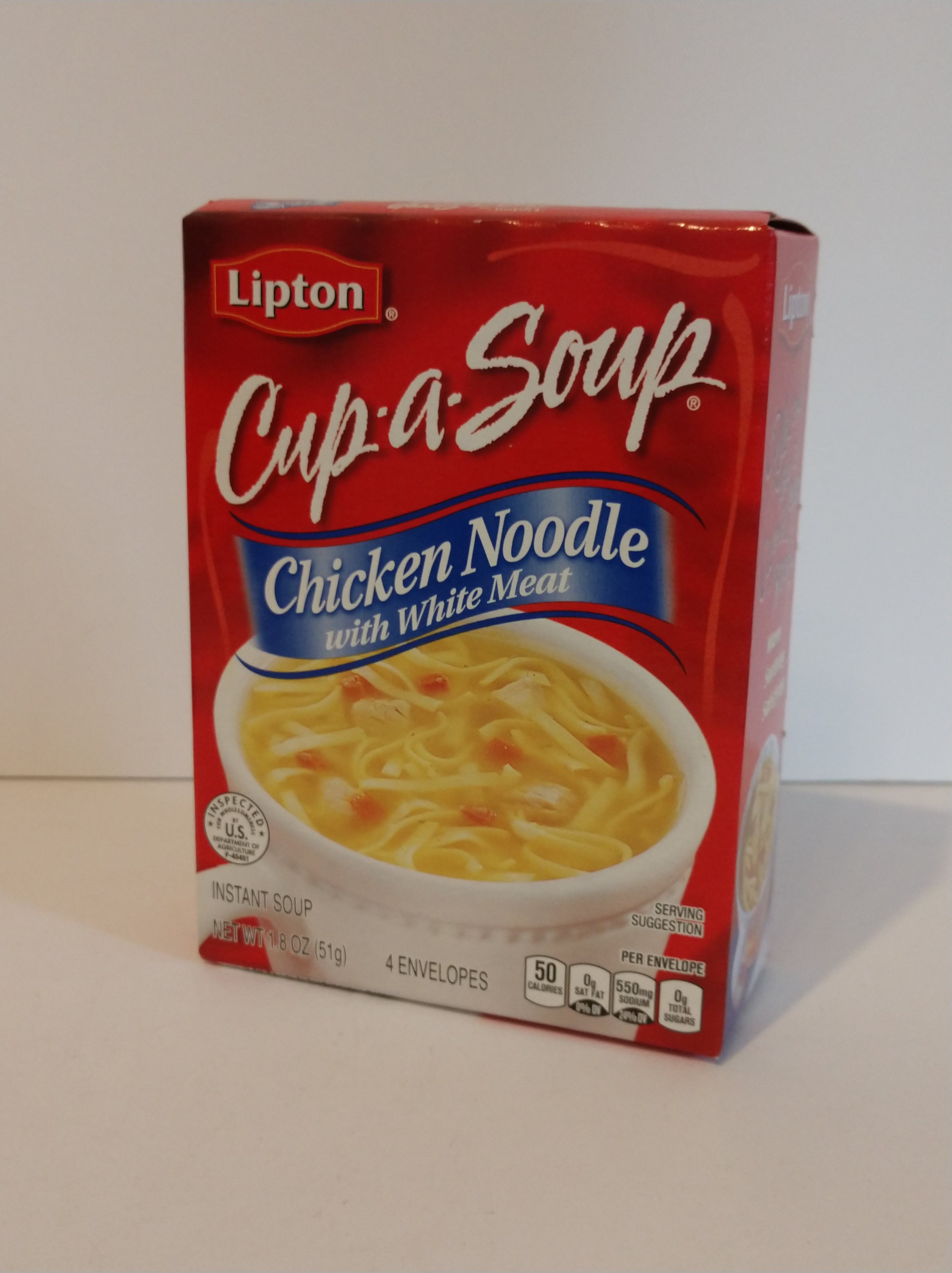
Cold weather often means starting out in lots of layers, stripping them off as you start to sweat, then staggering around steaming into the chill air as you cool down.   Unfortunately, it’s difficult to know exactly when to start putting those damp layers back on; way too easy to find oneself suddenly on the edge of hypothermic as the body furnace shuts down and  running clothes turn into cold compresses. Years ago a post-race exposition featured giant vats of hot soup being ladled out by residents of a nearby native American reservation (thank you, first residents), and boy did that hit the spot! Ever since, my cold weather apres is a cup of soup and the most convenient is Lipton Cup-a-Soup.

lipton

Yeah, it ain’t my Brooklyn Grandma’s recipe, but it’s hot and salty (electrolytes anyone?), with just enough fat and carbs to start recharging the ol’ blood stream. And all it takes is a packet, a cup and hot water. I’ve even made it up with hot tap water, in a pinch.  All the better when consumed while soaking in a toasty hot tub!

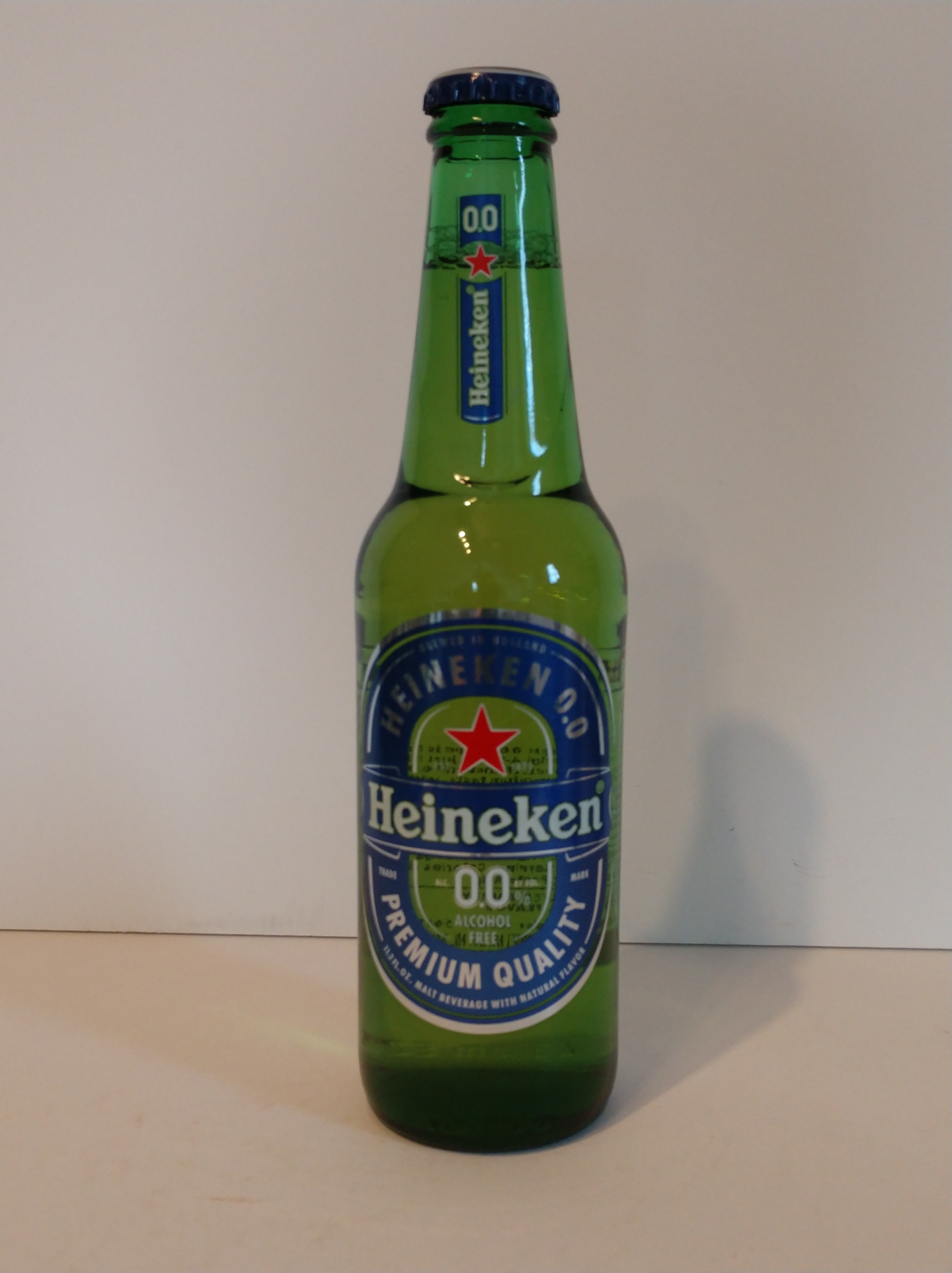
The onset of spring’s warmer weather though, can quickly send some of us to the fridge for a post-race beer instead. On the surface it seems like a great idea – water-based for hydration, loaded with carbohydrates, and that refrigerated chill helps cool an overheated core, if either the weather or your performance has been hot enough to make that an issue. However…a little research reveals that alcohol is a diuretic, so consuming it tends to make the body shed liquid, right when you need to re-hydrate. Solution? Non-alcoholic beer; and lucky for us, there are plenty on the market these days, including the prototypical O’Doul’s, copies from big brewers like Busch and Coors, along with smaller brands like Kaliber (from the makers of Guiness), Paulaner, St. Pauli and a host of craft breweries (a quick web search came up with over twenty varieties). My favorite so far is Heineken’s 0.0.

heineken


Properly chilled, I doubt I could till it from the regular variety (at least not until I’d consumed enough to feel the buzz, or lack thereof, that is). Drinking responsibly never tasted so good!

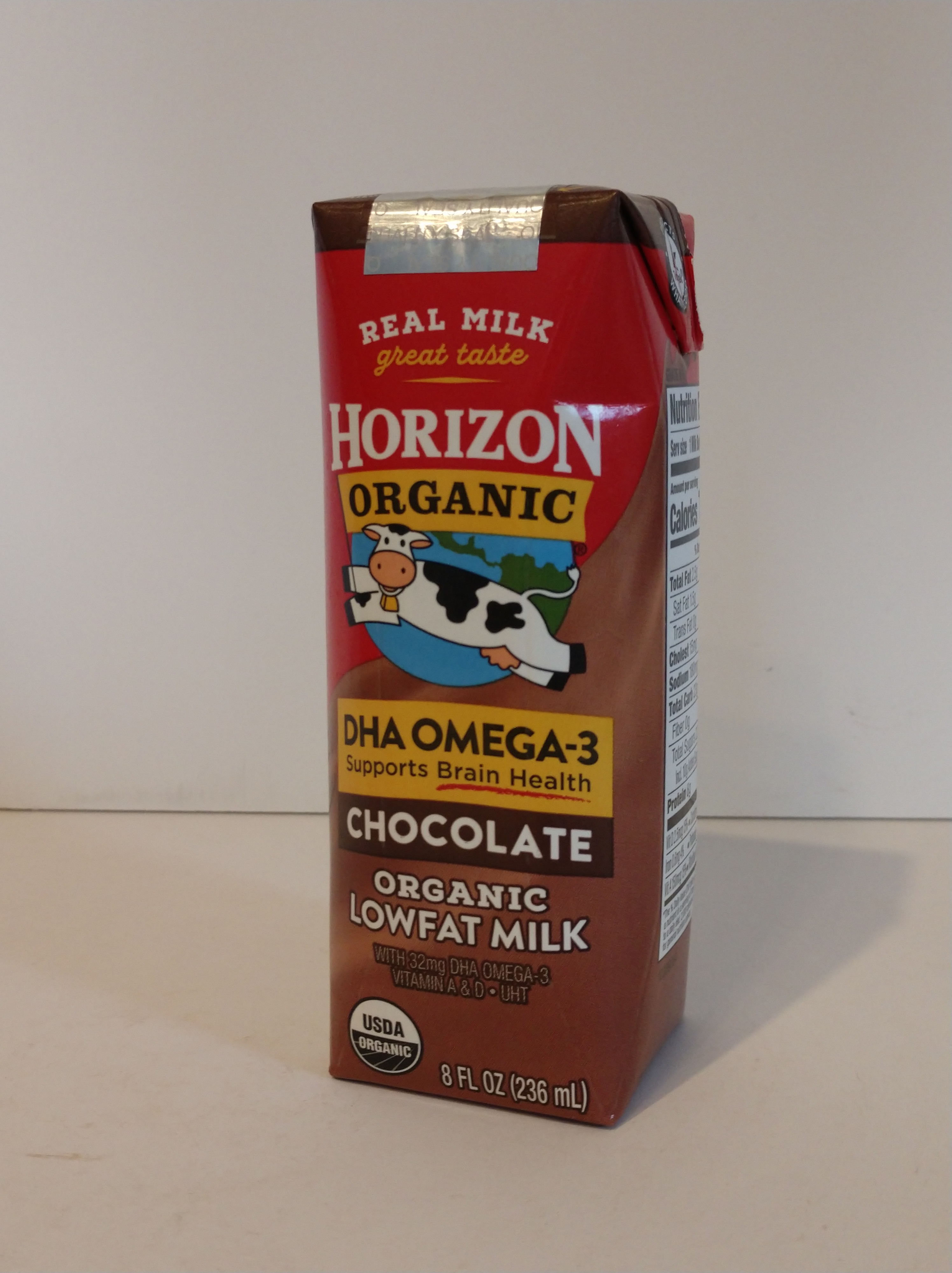
Neither of those float your boat? For the best all-round post-race toss-down, how about chocolate milk? Taken cold or hot, depending on the time of year, it’s got liquid for hydration, carbs to replenish what you’ve been burning and protein to get the muscles started on their exercise-induced regeneration. Ending your run at a remote trailhead, or a parking lot far from a refrigerator or convenience store? In our part of the country, Horizon sells these nifty single-serving cartons that do not need to be refrigerated until opened!

horizon

For above-freezing days in the winter, I park one of these in the shade beneath my car before a run, and it’s nicely chilled when I get back. Other times, toss one in a cooler with some ice (and maybe one of those Heinekens, just in case). If you’re feeling social, prep that cooler with several bevvies and set yourself up at the finish line or trailhead with two lawn chairs – some great post-run acquaintances have sprung up from no more effort than that.

Whatever post-run potation you prefer…drink up; you’ve earned it!

The Swallows of Kabul, Yasmina Khadra

We Americans tend to see the war in Afghanistan through the lens of our own involvement – how many U.S. troops lost, how many U. S. billions spent, how much progress toward making that nation over in our own image. This brief and poetic novel, the author’s fifth to be published in the English language, sets the history in a different light, showing on the one hand that the disorder in Afghanistan verifiably predates US involvement (original copyright is 2002, and the action is clearly pre 9-11) and on the other that the damage and suffering of the Afghan people goes far deeper and wider than anything we have paid for our involvement (speaking of course of the USA as a whole; not those particular few individuals who have given so much, and sometimes all).

This is a tight narrative, the comings and goings of two married couples in a few narrow streets and run-down buildings of Kabul over the course of a few days, maybe a week. In that time though, lives are ruined and lost, hopes dashed, resurrected and swamped by the reality of a nation that has been at war for decades and is now at the mercy of fanaticism and men’s worst impulses claiming to serve their best. As with much middle-eastern fiction I’ve read, the language can be rather florid and some of the characters’ internal reflections feel over-dramatized, more performances of the author than real human thought. At other times though, Khadra’s characters speak honestly of emotions real people strain to conceal, if they even admit to themselves. (A prime example is one man’s participation in the public execution-by-stoning of a prostitute – which even he cannot explain or defend.) The portrait of how one lives when nearly everything has been taken away or coopted for the oppressors’ purposes is eye-opening. Reading it during the Covid 19 shutdown is yet another reminder that I’ve still got it very, very easy, even in what we think of as a period of distress.

Building slowly, the story reaches its climax in the thoughts and action not of the husbands – as one might expect for a tale set under the patriarchy of Islamic culture and Sharia law – but of their wives. Zunaira, the educated and worldly beauty whose life has devolved into an exile inside her own shabby home, gives way to a moment’s impulse, with tragic consequences. Then, Musarrat, the miserable and terminally-ill wife of a part-time jailer and Taliban collaborator has a contrasting moment of transcendent insight, compassion and love; forces which are so out of place in this environment they strain credulity. Regardless, her vision propels the climactic act of selflessness which is, unfortunately, doomed by circumstance and habituation, as is all hope in the universe of this novel.

That the story itself can be conceived, written and published is the only thread of optimism one brings away from the reading but then, sometimes it only takes a single thread to unravel an entire knitting.

(Yasmina Khadra is the pseudonym of Mohammed Moulessehoul, a male former-Algerian army officer, who the liner notes say adopted that name to avoid government scrutiny of his writings.  If is unclear just how much the choice of the feminine reflects his convictions, but this novel sincerely presents women’s lives with much more importance and sympathy than conservative Islamic culture grants them.)


The Art of Running in the Rain (or ‘Whatever can go wrong, will go wrong, partie deux’)

April being the month of showers, an event back in 2018 comes to mind, where weather was forecast to be in the low to mid 30’s F, with steady heavy rain and serious gusting winds.  At mid-pack pace, I’d be out there for a good four hours, so this was definitely gonna be a gear-critical day.

Figuring the regular ¾-length compression tights would leave too much flesh exposed, I opted instead for a full length pair I’d brought along for casual wear. Fast forward to a couple of miles out in the rain and their stylish light-weight fabric started sagging and bagging. Couple more miles and the butt-covering portion had sopped up enough water to become a noticeable dead weight hanging noticeably below where it was supposed to fit.

Given that weather forecast, gloves were definitely in order, and figuring plain fleece would absorb too much moisture, I’d opted for a pair of thinner gloves with a wind-stopping nylon-hood sort of feature that could be pulled over the fingers to approximate the warmth of mittens. That nifty nylon hood kept the wet out for, oh, a good 30 seconds or more, after which the stretch material beneath it became thoroughly soaked and lost whatever insulating properties it might ever have.  Which meant my fingers were too stiff and bulky to retrieve a gel from a pocket without removing a glove, which I promptly did, only to realize those gloves had actually been keeping my hand considerably less-frozen than hanging them out naked in the downpour. Seconds later came the further realization that thanks to the glove’s soggy stretch- fabric, it took a full stop and an eternity of pushing, pulling ,shoving and tugging to get the sticky shrunken mass back onto my hand.

Thus was the rest of the run spent alternately struggling to pull up my tights and begging spectators to put my gel flasks back in their belt-holders for me after fueling – which ended up occurring about a quarter as often as necessary, thanks to the frozen claws.

The lesson learned is an old one – never try anything for the first time during a run that counts. The big event should be the big event, not a Myth-Busters experiment, so test out all gear beforehand, under the most realistic conditions possible (in this case, I suppose I should have stood under a gushing hose in a walk–in cooler for an hour or so, but even I’m not that sick).

So, what does work in the rain? First off, a cap with a long, stiff brim, especially if like me, you need to wear glasses. Head tipped forward, brim pulled down low, I swear I never saw anything on that April day that was more than about 8’ in front of my toes, but my glasses stayed clear (which is a good thing ‘cause there’s no way I’d’ve been able to wipe them off in the downpour).

Another sure thing – wool socks. Wet or dry, they keep the piggies warm (and fight blisters to boot).

And finally – forget the waterproof jacket!  My two cents is, if you’re running, you’re gonna get wet from the inside anyway, so anything with enough water-repellency to keep the cold water outside and the warm moisture inside is good enough. What really matters are pit-zips! That nifty little invention lets you vent heat and moisture where they build up the most, while keeping the actual vent openings about as well hidden from vertical precipitation as anatomical geometry will allow. Pit zips be the bomb; jackets without them are the pits!

Avoid hypothermia, keep your hands useable and your vision clear, your head down and your feet moving till you get to that bundle of warm, dry gear you’ve stashed at the finish.  Sometimes that’s the best we can do, but it’s still called…running!

Is Running Relevant?

Amid the tragedy of a pandemic and its terrible economic fallout, it seems almost irresponsible to be writing about running. Whether you call it a hobby, a sport or an obsession, aren’t there more important things to have on the mind right now than going out for a run?

Of course there are, but the world is not an either/or kind of place. For all but the most deeply central (health care workers, first responders, home care workers and others; thank you one and all!) it’s possible to give adequate attention to the crises and still carve out a little time for other things as well.

Plus: our limited, tentative, developing knowledge of Covid 19 suggests that it, like so many diseases, hits hardest those who are already unwell. And while some folks cannot avoid the conditions that put them at risk, there are many who have the potential to improve their health and so become less vulnerable. Regular exercise is a strong component of getting and staying healthy, which in turn allows help to be focused on those who need it the most.

If that is not enough justification to keep the conversation going, here’s another twist. Before running yesterday I was studying a problem on which my architect colleagues had asked for help. Looking at the drawings and questions I could readily see the challenges, but the solutions I was thinking of were predictable, and not really an improvement. A little later though, chugging up a steep grade with the sweat pouring out of every pore and the sound of my own breathing drowning out the playlist in my ears, something else popped into the old noggin. ‘Change this wood frame to steel, hide the frame up on top of the panels, assemble it on the shop floor and use the exposed spots of the steel frame to attach suspending rods, and bingo, Bob’s your uncle!’

Now I was a student once (a long time ago, in a galaxy far, far away…), and I know that ideas which look great in the dim din of a tavern or the heated atmosphere of an all-night buzz-session are rarely as attractive in the light of day, but over the years I’ve found that mid-run ideas have a much higher survival rate. This particular endorphin-powered light bulb was just as illuminating when I got back to my desk and drew it up, and when I talked it over with a colleague via Zoom, as it had been when it mushroomed up out of a 5-step running cadence. So….

  • a moderate fitness habit can help you stay healthy and less vulnerable to even a predator like Covid 19.
  • It can also help to keep the bad events in perspective, strengthen the spirit and allow optimism to thrive – a healthy mind is a more-effective mind.
  • Repetitive motion activities can free creative regions of the brain to do their best work, which can result in useful ideas, in whatever field one endeavors.
  • Running is one of the simplest, most accessible (we’re talking moderation after all, not Olympic Trials) ways to achieve all those benefits.
  • It’s good for you, it’s not bad for the environment, and it might just lead to a good idea every now and then.

Conclusion?  Even today, running is worth thinking about, talking about and doing.

Go for it!

A Single Thread, Tracy Chevalier

As a ‘surplus’ woman in an England still reeling fourteen years after the 1918 end of The Great War in which two-million young men of her generation were wiped away, Violet Speedwell struggles to find any trace of meaning or purpose in her life. Brother, fiancé and father all dead, mother an intolerably-abusive emotional wreck and her opportunities deeply constrained by gender, custom and the dearth of even marginally-desirable suitors, her only sense of achievement comes from having moved-out to a boarding house room in the next city and managing to live on her own, though that living is marginal at best. Desperate nostalgia for the warmth of child-time church visits (one possible interpretation of the novel’s title) leads her to discover ‘the Broderers,’ a group of women engaged in embroidering new soft goods for Winchester Cathedral. It is that encounter which allows her to forge some tenuous personal connections and so drives this totally-engaging and moving tale.

This is necessarily a narrow tale, as Violet’s life is limited by circumstance and prejudices, yet the author uncovers sensuality in a hungry woman’s reactions to food and drink, entrepreneurialism in others’ efforts to survive when their jobs are lost to bigotry, and even a range of sexuality. The illicit love of two women is treated with empathy and honor, making clear that it is love for its own sake (‘their own sakes’?) not just a make-do for the lack of eligible men, as some of their compatriots rationalize it. Violet’s own romance, a sparse affair with a married man devoted to caring for a wife tormented by the wartime death of their only son, is doomed in most senses, yet still nurtures them both in important respects, even before it produces the slender thread of permanent connection that restores meaning to each of them and to the novel’s title.

Along the way we learn about embroidery bell-ringing and church customs, and are reminded of how material our modern lives have become as we see Violet live with barely more than a suitcase-full of possessions. We also discover real artistic ambition and achievement in women (the actual historical figure of  Miss Louisa Pesel, in particular) whom we might otherwise dismiss as slaves to convention, decoration and rote following of recipe.

More than any of Chevalier’s earlier novels, this one opened my eyes to what she is really doing, correcting the lack of female figures in familiar moments of cultural history by novelizing them through a female point of view. From the tapestries of the Lady and the Unicorn, to the paintings of Vermeer in Girl with a Pearl Earring, the writings of Wm. Blake in Burning Bright and the discoveries of Darwin and early fossil hunters in Remarkable Creatures, Chevalier illustrates that women were present and integral to the work for which men have been so lauded. Not only that, but those women’s contributions were made under duress and restrictions far greater than the men ever faced.

Each volume entertains and enlightens at the same time they serve, both singly and as a body, that very worthwhile social purpose. Brava, Ms. Chevalier, brava.

Boudica, Vanessa Collingridge

Subtitled ‘The Life and Times of Britain’s Legendary Warrior Queen,’ this hefty volume turns its narrative outward from the individual to her context, becoming in effect a survey of the entire history of Britain as a nation and a people, lensed around the largely-mythical warrior queen. While at times that feels digressive or indulgent, in the end it provided this Yankee with plenty of useful insight into how a group of disparate warring tribes evolved into a world power and an important culture.

Collingridge writes somewhat as one would expect of a television presenter, lots of grand characterizations mixed with occasional insertions of her first person (‘I was nearing the end of my search for the legend’ sort of stuff) but has clearly done a great deal of research, with frequent source citations and an impressive bibliography. The sense is of an author eager to demonstrate she has qualifications above and beyond her popular success and it mostly works, despite some unfortunate lapses in editing and copy-proofing.

The first 150 pages or so hardly deals with the title character, but gives instead an overview of Rome’s imperial grasping toward, and eventual invasions of, the British Isles. The depth of that background at first seems odd, but then makes sense as it places the eventual tribal rebellion in a proper context. More than that, it makes abundantly clear that there was no ‘Britain’ or ‘England’ until the Romans conceptualized it as a way to refer to the region they claimed to have conquered. Once Boudica (or Boudicca, or Bodicea; the variations due to different hearings, translations and monkish typographical errors) herself comes on the stage, we realize that almost nothing is factually known about her; whatever spelling one uses, she is largely the fabrication of other authors down the ages, starting with the writings of her Roman opponents, Caesar (the single contemporary), Tacitus (writing decades after) and Dio (another hundred years removed). Their meager and un-confirmable portraits, which Collingridge points out are most-certainly biased by their politics, have then been repeated, massaged and embellished over the ages. Several middle chapters then recount the rebellious Queen’s battles and eventual demise, a tale which is surprisingly brief, even fluffed out with plenty of speculative recreation and embellishment. The third and concluding part of the volume is again more substantial, as it depicts the morphing of Boudica’s story and image to serve the changing needs of the British people and politics at various stages of their history through nearly two thousand years to the present (Boudica and Princess Diana making a particularly interesting pairing).

Along the way one learns that Druids are not originally Welsh or even British, but of continental origin, as is the term Celtic and even the La Tene art style which we today refer to as ‘Celtic design.’ Nor are present day Druids in any real way connected to the historic ones – so little is known about what the original Druids actually believed or did, that any modern versions are really just fabrications by poets and others from the Romantic period onward. How New Age-y! On the related subject of archaeology, Collingridge voices appreciation for the findings of ‘metal detectorists’ who scour the countryside in search of finds. In the end though, the reader’s dawning realization that not one of the objects found to date can actually be tied to Boudica herself only emphasizes that all talk about her is speculation, at best, or fiction, at worst.

A rewarding read (with some judicious skimming now and then, when the pedantry gets excessive), Boudica ultimately affords enough detail and insights to be well worth the journey.

Running Both is Funnest

After writing last time about slow running for those just getting into the habit, I was interested to see a recent column, The Art of the Easy Shuffle, by David Roche. For those who do not know Roche, you should check out his work in the print or on-line editions of Trail Runner magazine, where he combines knowledgeable analysis of the most-current medical studies with his real-world experience coaching athletes of all levels. You can also find his coaching service, Some Work, All Play at https://swaprunning.com/.

Anyway, in that recent column, Roche was recommending that experienced runners incorporate a significant amount of slow running in their training plans. Even for the most hard-core, Roche pointed out, slow running is a way to build total volume (geek speak for ‘miles per week’) with less risk of damage to the body. Aerobic fitness (the body’s ability to draw oxygen out of the atmosphere and get it to the muscles to fuel their work) is another proven benefit, with studies showing that the maximum potential to increase that fitness comes from lots of aerobic exercise (at or below the level sustainable for an hour or more, i.e., low to moderate effort) not from the more intense anaerobic exercise (output above that level, i.e, running hard, and thus fast).

Great technical knowledge and great for the hard core, but a recent run reminded me of an altogether simpler reason for running slow – it can make you hungry to run fast again!

Pounding out a 10-mile mid-week run was decently satisfying, and there was plenty to pay attention to – checking the heart rate to make sure it was still averaging below 140, self-correcting stride to avoid heel strike, pulling the head back to keep eyes up and neck tall, taking time to see the sights – but as the GPS read off eight miles and then approached nine, it felt a bit like medicine to be choked down. What a relief then, to crank the dial up a couple of notches at the start of that final mile, a little more when GPs showed just a half to go, and all the way to 11 (for all you Spinal Tap fans out there) for the final quarter. Yeah! – that felt great, and because the first 90% of the run had been moderate, it felt downright easy. There was no pain, no worry about damage, and very little fatigue. Best of both worlds, you might call it.


So; try slowing down for a good part of your regular running (maybe as much as 60 of weekly ‘volume’). But if you’re feeling well and healthy when you get to the final ten percent of a run, allow yourself the pleasure of really blasting it. Feel the air moving past you faster and faster, experience the world narrowing down to just you and the pavement (or dirt if you’re that kind of bear). Maybe get your body forward a bit; more on the toes, less on the heels. Consciously lengthen each stride at the same time you push-off harder to fit more strides into each minute. You’re well-warmed up by now, all systems operating at capacity, so put everything you’ve got onto the ground as you approach the day’s target distance – whatever that is for you – and remind yourself of the simple joy of being alive and active in the physical world.

Running slow is fun, running fast is funner. Running both is funnest.

See you out there – from a safe distance!

Neverwhere, Neil Gaiman

Gaiman certainly has a knack for taking fantasy in titillating new directions. Mixing legend with pop culture, bridging generations and phases of life, his is an impressive improvisational-seeming voice; loose and loud and reasonably sound in its coherence and payoff.

Richard Mayhew, protagonist this time around, is a decent mensch, a modern everyman who seems just as lost in his own world as he will become lost in the underworld he discovers as a result of one decent – and so, uncharacteristic – act. Such a mensch, in fact, that his survival and eventual semi-triumph are a bit implausible, though satisfying nonetheless. The characters who surround him are pleasingly off –beat and appealing and their adventures offer enough cliff-hanging to keep one deeply involved.

Underneath it all, there glimmer a few bits of insight into human frailty, relationships and the failings of society. Just enough to ground this fantasy in reality and assuage the guilt of reading such fluff.

Yes, a pleasure all the way. Well done, Mr. Gaiman, well done.